

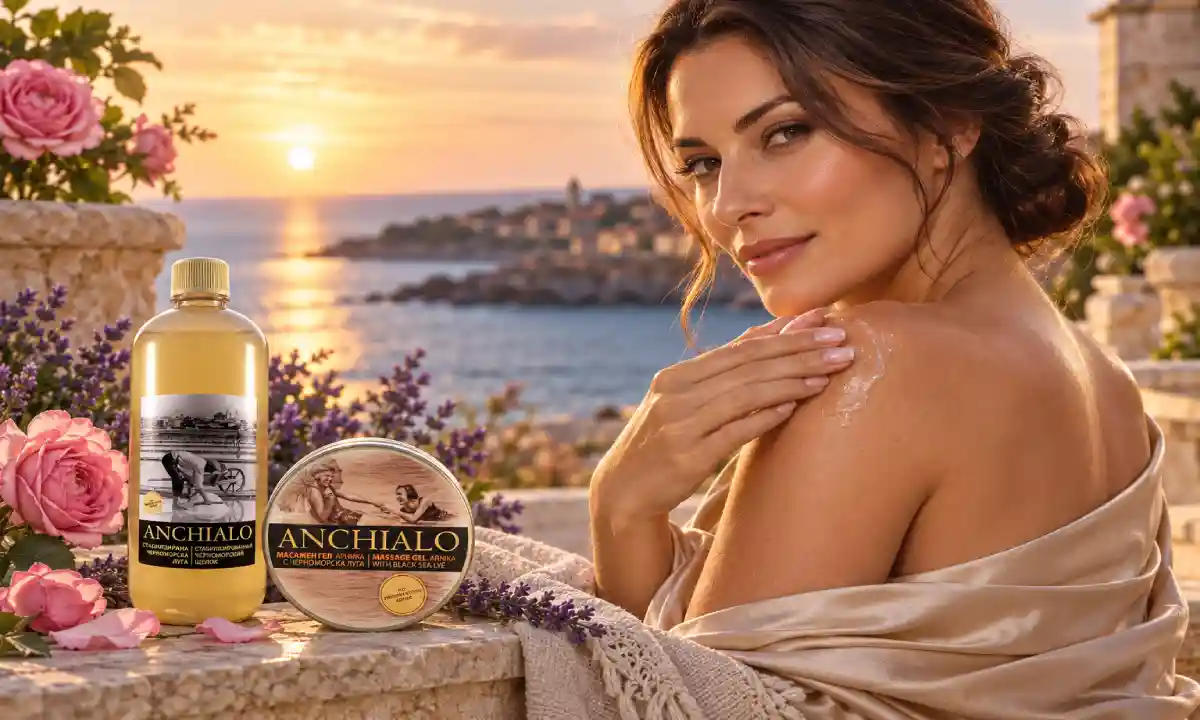
Bulgaria may be a relatively small country, but its diverse landscapes have inspired a remarkable variety of beauty and body-care traditions. Fragrant rose fields, mineral-rich coastal lakes, aromatic herbs, vineyards and mountain plants have all found a place in Bulgarian cosmetic culture.
Some ingredients, such as Rosa Damascena, have been internationally recognised for generations. Others, including Black Sea lye and mineral-rich liman mud, remain closely connected with the country’s coastal wellness traditions.
Modern Bulgarian cosmetics combine these regional ingredients with contemporary formulations and convenient product formats. Rose water can become part of a facial routine, while Black Sea lye may appear in massage gels, body applicators and cleansing products.
In this guide, we explore seven Bulgarian beauty ingredients and the ways they are incorporated into modern skin-care and body-care routines.
What Makes Bulgarian Beauty Traditions Distinctive?
Bulgarian beauty traditions are closely linked to the geography of the country.
The Rose Valley is known for Rosa Damascena. The Black Sea coast and the Pomorie region are associated with mineral lye and liman mud. Mountain and countryside areas provide aromatic plants such as lavender, juniper and arnica, while Bulgaria’s vineyards have inspired cosmetic products containing grape-derived ingredients.
These natural materials have different properties, textures and traditional uses. They should not be treated as interchangeable or as medical treatments.
The strength of Bulgarian-inspired cosmetics lies in the combination of regional identity, sensory experience and practical everyday use.
A modern beauty routine does not need to reproduce historical practices exactly. Instead, carefully formulated cosmetics can introduce traditional ingredients in products that are easier and more convenient to use at home.

1. Bulgarian Rosa Damascena
Rosa Damascena is one of the best-known symbols of Bulgaria. It is cultivated mainly in the Rose Valley, where the climate and soil provide suitable conditions for fragrant rose blossoms.
The flowers are traditionally collected early in the morning during the short harvesting season. They are then processed to produce rose oil and rose water.
Rose water is considerably lighter than concentrated rose oil and can be included in facial toners, mists, cleansers and other cosmetic products. Its delicate floral aroma can make an everyday routine feel more enjoyable and refined.
It may be used after cleansing, before a facial serum or as a refreshing mist during the day. People with dry skin should follow it with an appropriate moisturiser because rose water does not normally replace a cream.
The complete Bulgarian Rose Care collection brings together rose water and Rosa Damascena-inspired products for the face and body.
Readers who want to understand its origins and everyday uses can also explore our guide to Bulgarian rose water benefits.
2. Black Sea Lye
Black Sea lye is a mineral-rich liquid traditionally obtained during salt production in the coastal lakes around Pomorie and Burgas.
As seawater evaporates and salt crystallises, a concentrated residual liquid remains. This material contains naturally occurring mineral salts and has become associated with local body-care and wellness traditions.
Black Sea lye has a distinctive appearance and mineral character. In modern products, it can be found in massage gels, body applicators, shower products, toothpaste and other specialised formulations.
Different product formats require different methods of application. A massage gel, for example, is not used in the same way as a concentrated mineral solution or body applicator.
Always follow the instructions on the specific packaging. Concentrated products should not be assumed to be suitable for every part of the body.
Our Black Sea Lye collection includes several formats designed for different body-care and personal-care routines.
For more practical information, read how to use Black Sea lye for body care at home before selecting a product.
3. Pomorie Liman Mud
The coastal lakes around Pomorie are also associated with liman mud. This naturally formed material develops through interactions between mineral water, salt, clay and organic components within the lagoon environment.
Its dark colour and dense texture make it immediately recognisable.
Mineral-rich mud has a long association with Bulgarian spa culture. Today, it is included in body masks, cosmetic treatments and products that combine mud with Black Sea lye.
At home, mud-based cosmetics should be used exactly as directed. Application time, body area and rinsing instructions can vary between products.
A thick body mask may need to be spread in a controlled layer and washed away after the recommended period. It should not be placed on damaged or irritated skin unless the manufacturer specifically states that the product is suitable.
Products such as a body mask with Black Sea lye and liman mud offer a convenient way to include this coastal ingredient in a home body-care routine.
4. Bulgarian Lavender
Bulgaria is also an important producer of lavender and lavender essential oil. Lavender fields have become another recognisable part of the country’s agricultural landscape.
The plant is valued in cosmetics primarily for its distinctive aromatic profile. Its fresh, herbal and floral scent is frequently used in massage products, bath products, soaps and body-care formulas.
Lavender can contribute to the sensory experience of an evening beauty routine. A lavender-scented massage gel or body product may help create a calm and relaxing atmosphere, although cosmetic products should not be presented as treatments for stress, anxiety or sleep disorders.
Concentrated lavender essential oil should not be applied directly to the skin unless it has been appropriately diluted and the product is intended for topical use.
A professionally formulated lavender massage gel offers a more convenient option than attempting to prepare an essential-oil mixture at home.
5. Arnica
Arnica is a flowering plant traditionally associated with massage and external body-care preparations across many parts of Europe.
In modern cosmetics, arnica extract may be included in gels, creams, massage products and body-care formulas. These products are often chosen for massage after physical activity or as part of a relaxing body-care routine.
A massage gel containing arnica can be applied with gentle movements according to the instructions on the packaging. Avoid applying it to broken skin, the eyes or sensitive areas.
Arnica should not automatically be considered suitable for everyone. People with allergies to plants from the Asteraceae family should examine the product information carefully.
The Arnica and Black Sea Lye Massage Gel combines an herbal ingredient with the mineral character of Bulgarian Black Sea lye in a convenient topical format.
It is important to describe such products accurately. A cosmetic massage gel can complement a wellness routine, but it should not be promoted as a cure for pain, injury or a diagnosed medical condition.
6. Juniper
Juniper is an evergreen plant known for its woody, fresh and slightly resinous aroma. It has long been present in European herbal traditions and is now used in a variety of cosmetic and personal-care products.
Juniper-derived ingredients may be found in massage gels, bath products, soaps and aromatic body-care formulas.
Its scent provides a different experience from floral ingredients such as rose and lavender. For people who prefer a fresher, more herbal character, juniper can make a body-care routine feel invigorating.
As with other botanical ingredients, the concentration and complete formulation matter. Pure essential oils require careful handling and should not be confused with ready-to-use cosmetics containing properly formulated juniper-derived ingredients.
A Juniper and Black Sea Lye Massage Gel can be used as part of a massage routine when applied according to its directions.
7. Mavrud Grape-Inspired Ingredients
Mavrud is a traditional Bulgarian red grape variety with a strong connection to the country’s viticultural heritage.
Although grape-derived cosmetic ingredients are not unique to Bulgaria, the use of Mavrud-inspired extracts creates a distinctive connection between Bulgarian vineyards and modern beauty products.
Grape extracts and grape-seed-derived ingredients may be included in facial creams, body oils, hand creams, cleansing products and eye-area cosmetics.
The benefit of a finished cosmetic depends on its complete formula rather than the reputation of a single ingredient. A Mavrud-inspired product may also contain moisturising agents, plant oils and other cosmetic ingredients that influence its texture and purpose.
The BILKA Mavrud skin-care range includes different formats for the face, eye area, hands and body.
A facial cream cannot replace an eye-contour product, and a body oil may not be appropriate for facial use. Choose each product according to the intended application area shown on the label.

How to Combine Bulgarian Beauty Ingredients
Using several Bulgarian-inspired ingredients does not mean applying every product during the same routine.
A simple facial routine may include:
- A suitable product from the Cleansers and Toners collection
- Bulgarian rose water
- A facial serum
- A moisturising facial cream
- Broad-spectrum sunscreen during the day
A body-care routine may include:
- A suitable cleansing product
- A massage gel or body applicator used according to its instructions
- A moisturising product from the Body Creams and Lotions collection
- A body oil when additional emollient care is desired
Products containing lye, mud, essential oils or botanical extracts should always be introduced carefully. More products do not automatically produce better results.
How to Choose Bulgarian Cosmetics
The phrase “natural cosmetic” does not provide enough information to determine whether a product is suitable for you.
Before purchasing, consider the following points:
Check the Complete Ingredient List
Look beyond the main ingredient highlighted on the front of the packaging. The complete formula determines the product’s texture, preservation system and intended use.
Follow the Intended Use
A facial toner, body mask, massage gel and toothpaste have different purposes. Never use a cosmetic product on an area that is not included in its instructions.
Avoid Unrealistic Claims
Cosmetics can cleanse, moisturise, refresh and improve the feeling or appearance of the skin. They should not be described as treatments for medical conditions unless they are authorised and regulated for that purpose.
Perform a Patch Test
When introducing a new cosmetic, apply a small amount to a limited area before broader use. This is especially important for people with sensitive skin or known botanical allergies.
Check the Origin and Seller
Choose products with clear manufacturer or distributor information, complete labels and transparent directions for use.
The Black Sea Rose online shop brings together carefully selected Bulgarian beauty and wellness products for customers across Europe.
Final Thoughts
Bulgarian beauty ingredients reflect the remarkable diversity of the country’s landscapes.
Rosa Damascena represents the fragrant Rose Valley. Black Sea lye and liman mud are connected with Bulgaria’s coastal lakes. Lavender, arnica and juniper bring distinctive botanical aromas, while Mavrud-inspired cosmetics connect modern skin care with the country’s vineyard heritage.
These ingredients do not need exaggerated promises to be interesting. Their regional identity, textures, aromas and versatility already make them valuable additions to thoughtfully designed routines.
Explore our Bulgarian beauty and wellness products and discover how regional traditions can become part of modern facial care, body care and personal wellness.
Frequently Asked Questions
What is the most famous Bulgarian beauty ingredient?
Rosa Damascena is probably Bulgaria’s most internationally recognised beauty ingredient. It is used to produce Bulgarian rose oil and rose water.
What is Black Sea lye?
Black Sea lye is a concentrated mineral-rich liquid obtained during the salt-production process in coastal lakes. It is used in different Bulgarian body-care and personal-care formulations.
Are Bulgarian natural cosmetics suitable for sensitive skin?
Suitability depends on the complete formulation and the individual user. People with sensitive skin should check the ingredients and perform a patch test before wider application.
Can I combine rose water with a facial serum?
Rose water can generally be applied after cleansing and before a compatible facial serum. Follow the directions provided with each product.
Are products containing natural ingredients automatically safe?
No. Natural ingredients can still cause irritation or allergic reactions. Concentration, formulation, intended use and individual sensitivity all matter.